Build Your Next Meal
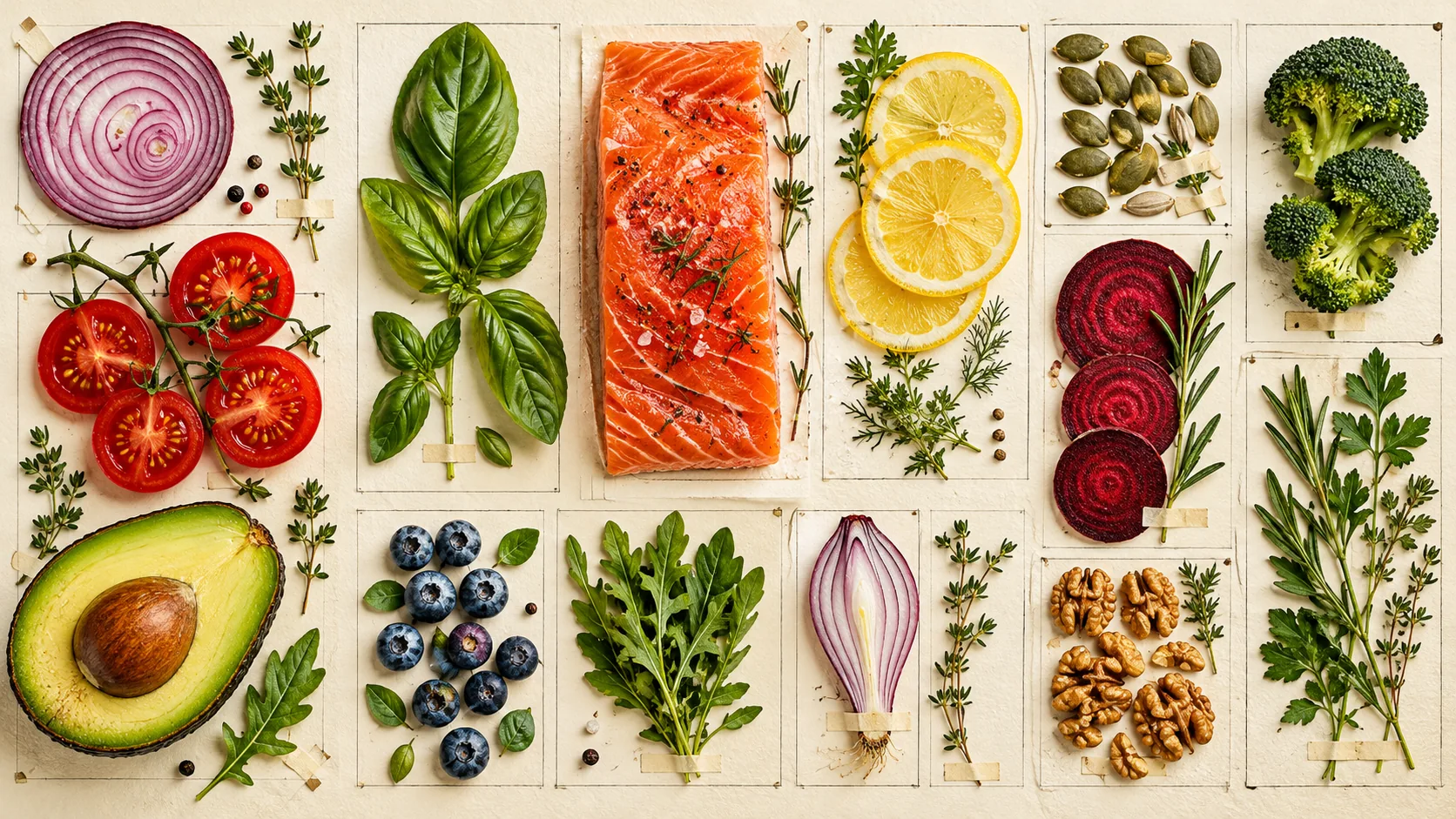
Use the keto diet food list as a set of options, not a rule that every meal must look identical. Rotate lower-carbohydrate vegetables, eggs, fish, poultry, tofu, nuts, seeds and suitable fats across the week. A ketogenic diet can be restrictive; consider fibre, hydration and overall adequacy, and seek qualified advice when health conditions or medicines may be affected.
View The Keto Food Guide
Keto Diet: Principles, Benefits And Important Limits
A ketogenic diet is a way of eating that keeps carbohydrate intake low enough for the body to rely more heavily on fat-derived fuel. When less glucose is available from carbohydrate, the liver produces ketone bodies. These can contribute to energy use, particularly between meals and during lower carbohydrate intake. This shift is called nutritional ketosis. It is a normal dietary state for some people following a strict low-carbohydrate pattern; it is not the same thing as diabetic ketoacidosis, which is a serious medical emergency.
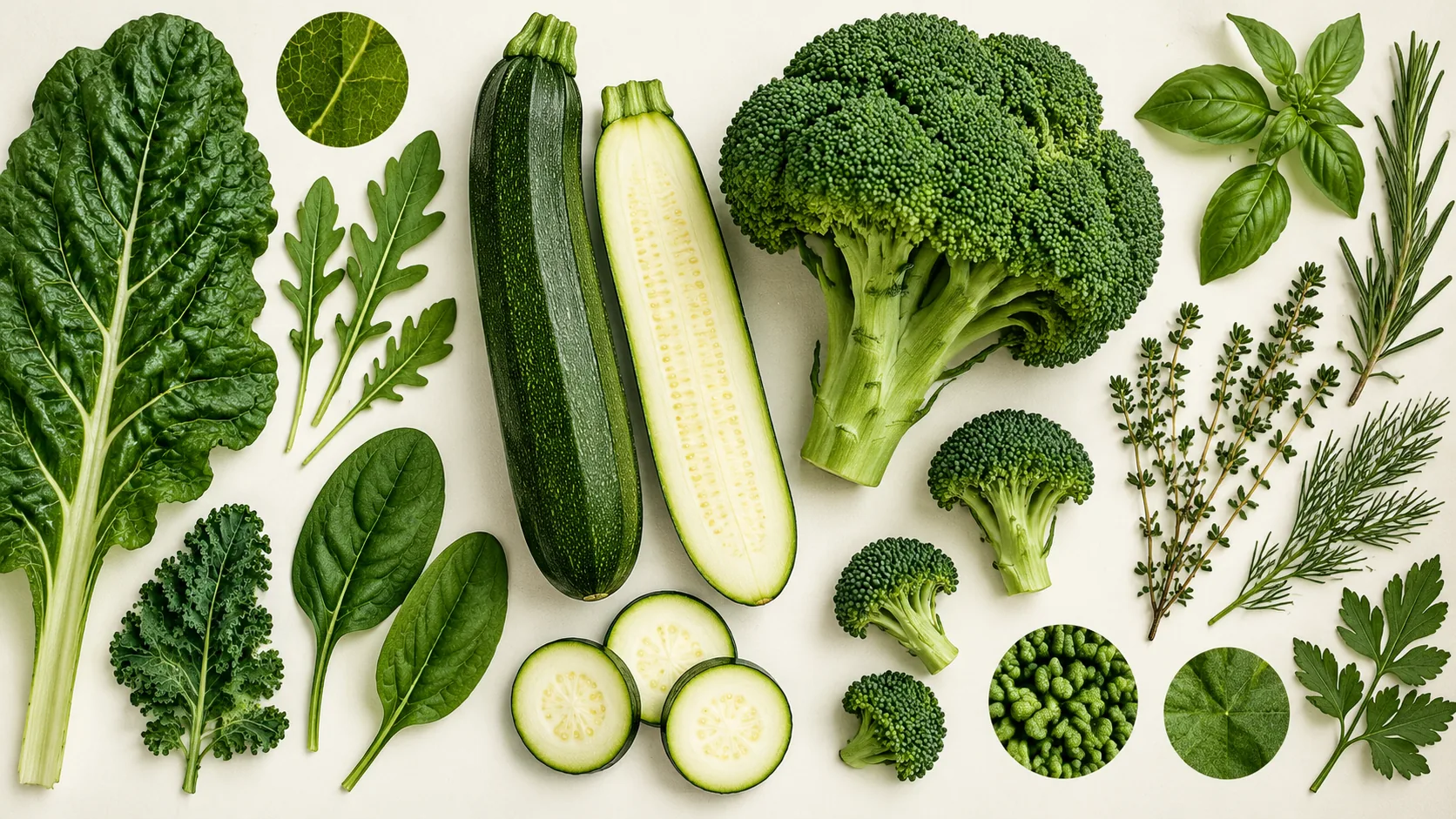
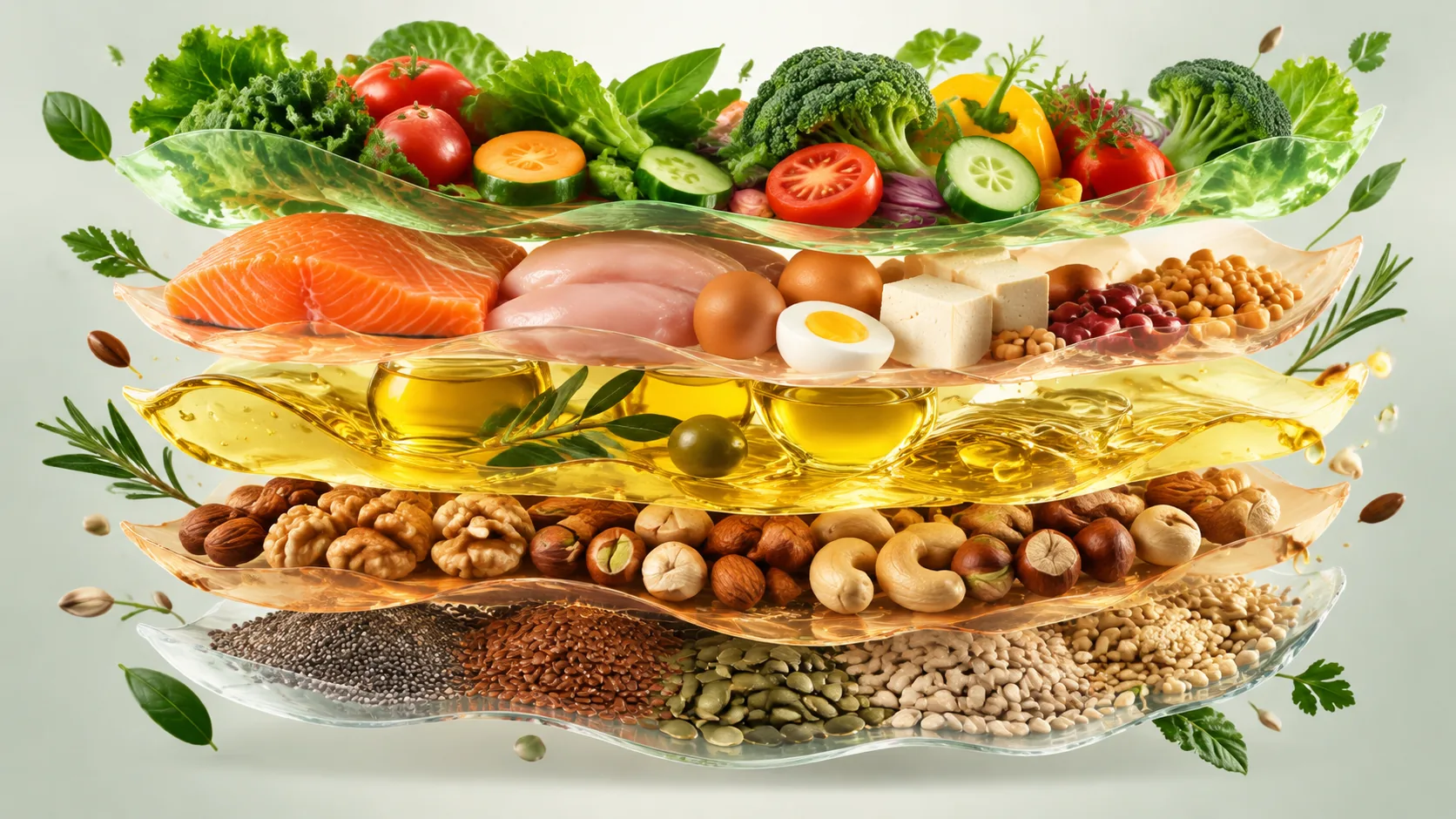
In practical terms, keto meals usually begin with non-starchy vegetables, then add adequate protein and a source of fat. This may mean leafy greens, broccoli, courgette, mushrooms, eggs, fish, poultry, tofu, olive oil, avocado, nuts and seeds. The aim is not simply to eat as much fat as possible. A more useful principle is to choose foods that fit a lower-carbohydrate pattern while still providing fibre, protein, essential fats, vitamins and minerals.
Research suggests that ketogenic diets can support short-term weight loss and improve selected metabolic measures for some adults. Results are not identical for everyone, and the long-term advantage over other dietary approaches remains uncertain. The quality of the food pattern matters. A plan centred on vegetables, fish, olive oil, nuts, seeds and varied protein is nutritionally different from one dominated by processed meat, butter and low-fibre packaged products.
Keto is not automatically appropriate for every person. Major carbohydrate reduction can affect blood glucose, fluid balance and some medicines. People who use glucose-lowering or blood-pressure medication, are pregnant, have a relevant medical condition, or have a history of disordered eating should seek individual advice from a qualified healthcare professional before starting a strict ketogenic diet. For everyone else, a gradual, food-first approach makes it easier to judge whether the pattern is practical, enjoyable and sustainable.
Frequently Asked Questions
What Is The Keto Diet?
A ketogenic diet is an eating pattern that limits carbohydrate enough to promote ketosis, but individual food choices and portions differ. This page is general information, not personal medical advice.
What Foods Can I Eat On Keto?
A keto food list often includes non-starchy vegetables, eggs, fish, meat, tofu, nuts, seeds, selected dairy and oils. Portions and nutritional needs still matter.
What Foods Are Usually Limited?
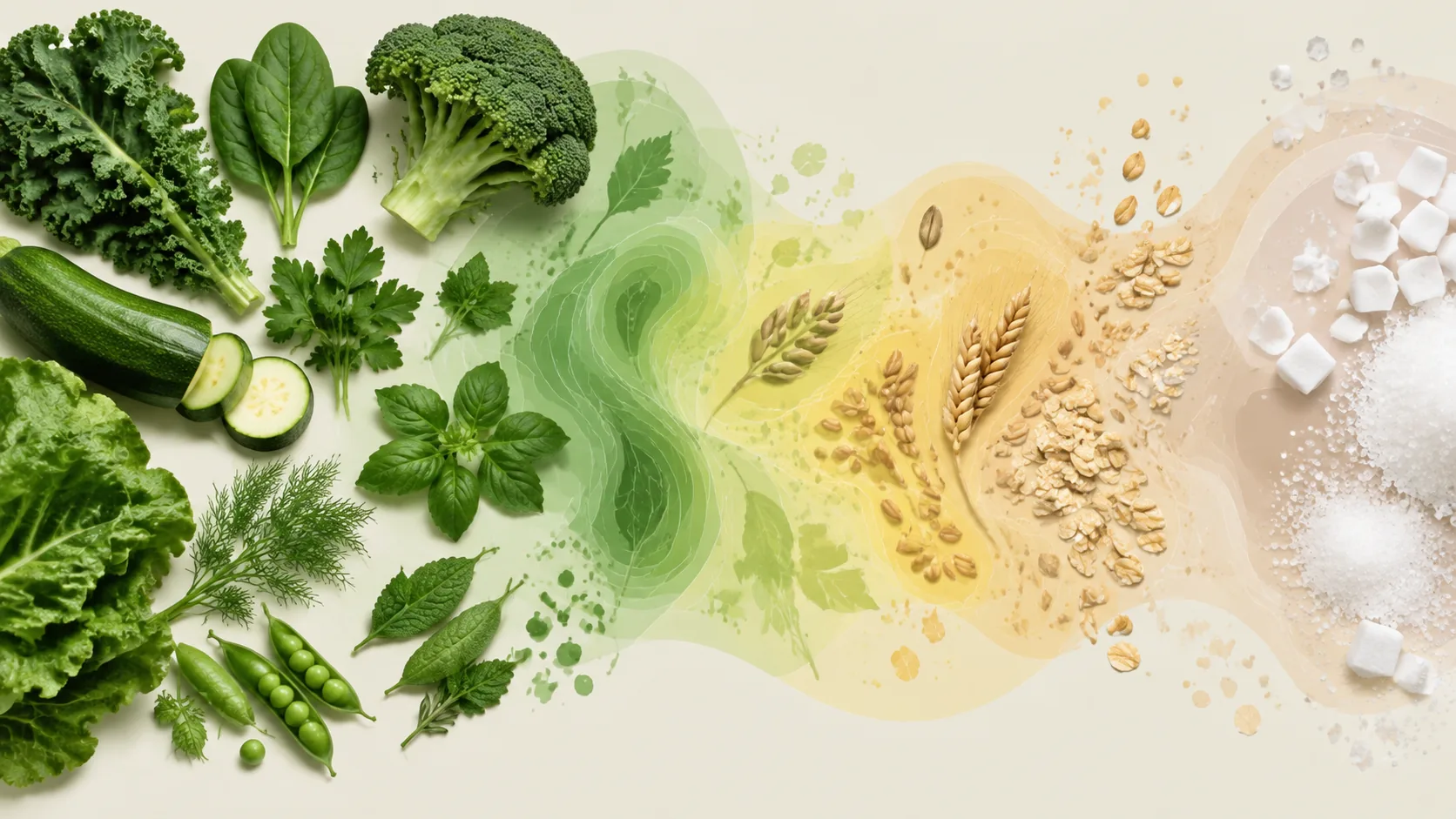
Sugary drinks, sweets and refined grains are commonly limited because they can add substantial digestible carbohydrate. The exact pattern depends on the person and plan.
What Is Ketosis?
Ketosis is a metabolic state in which ketone bodies contribute to energy use when carbohydrate availability is low. It is not the same as diabetic ketoacidosis, a medical emergency.
Is Keto Proven To Cause More Weight Loss?
Weight change varies among individuals and is not guaranteed by a keto diet. Consider sustainability, diet quality, evidence duration and personal health context rather than assuming a universal result.
Is Keto A Healthy Diet?
A ketogenic eating pattern may not be appropriate for everyone. People with health conditions, medication use, pregnancy or other concerns should discuss dietary changes with a qualified clinician.
Can Beginners Follow A Keto Meal Plan?
A keto meal plan can simplify shopping and routine. Beginners may find it useful to select a few practical meals and adjust based on preferences, nutrition needs and professional advice.
Are Keto Recipes Always Low In Carbohydrate?
Not always. Ingredients and serving sizes determine carbohydrate content, so review the recipe details rather than relying on a “keto” label alone.
Who Should Speak With A Healthcare Professional First?
A healthcare professional can help review medical history, medicines, nutritional requirements and possible risks before a substantial dietary change.